Videos
Watch videos related to the science of sleep, wakefulness, and narcolepsy, and hear from clinicians.



Watch a more in-depth discussion about histamine, including key data from animal studies that support the importance of histamine in disorders characterized by sleep-wake state instability, such as narcolepsy.1,2
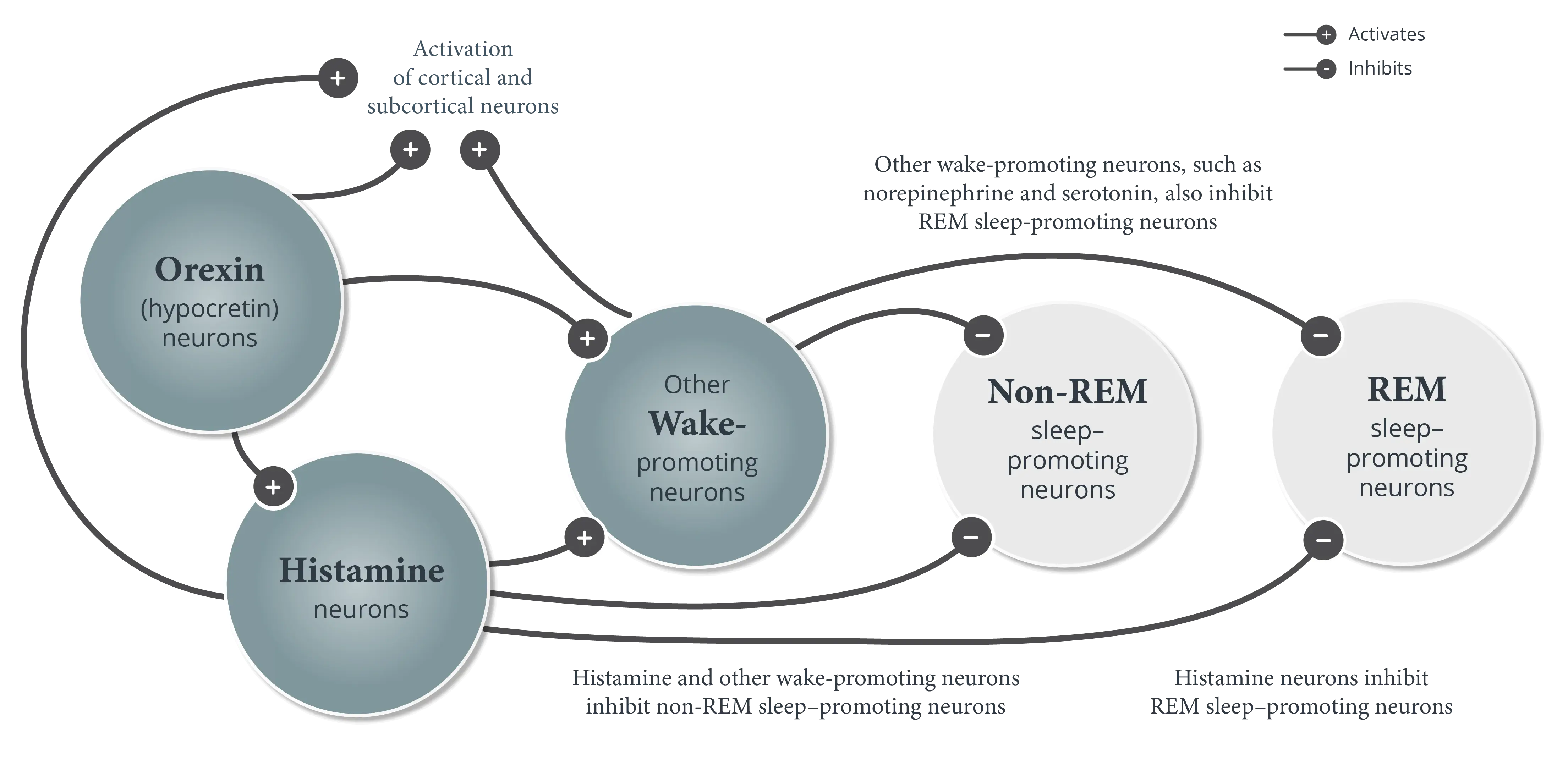
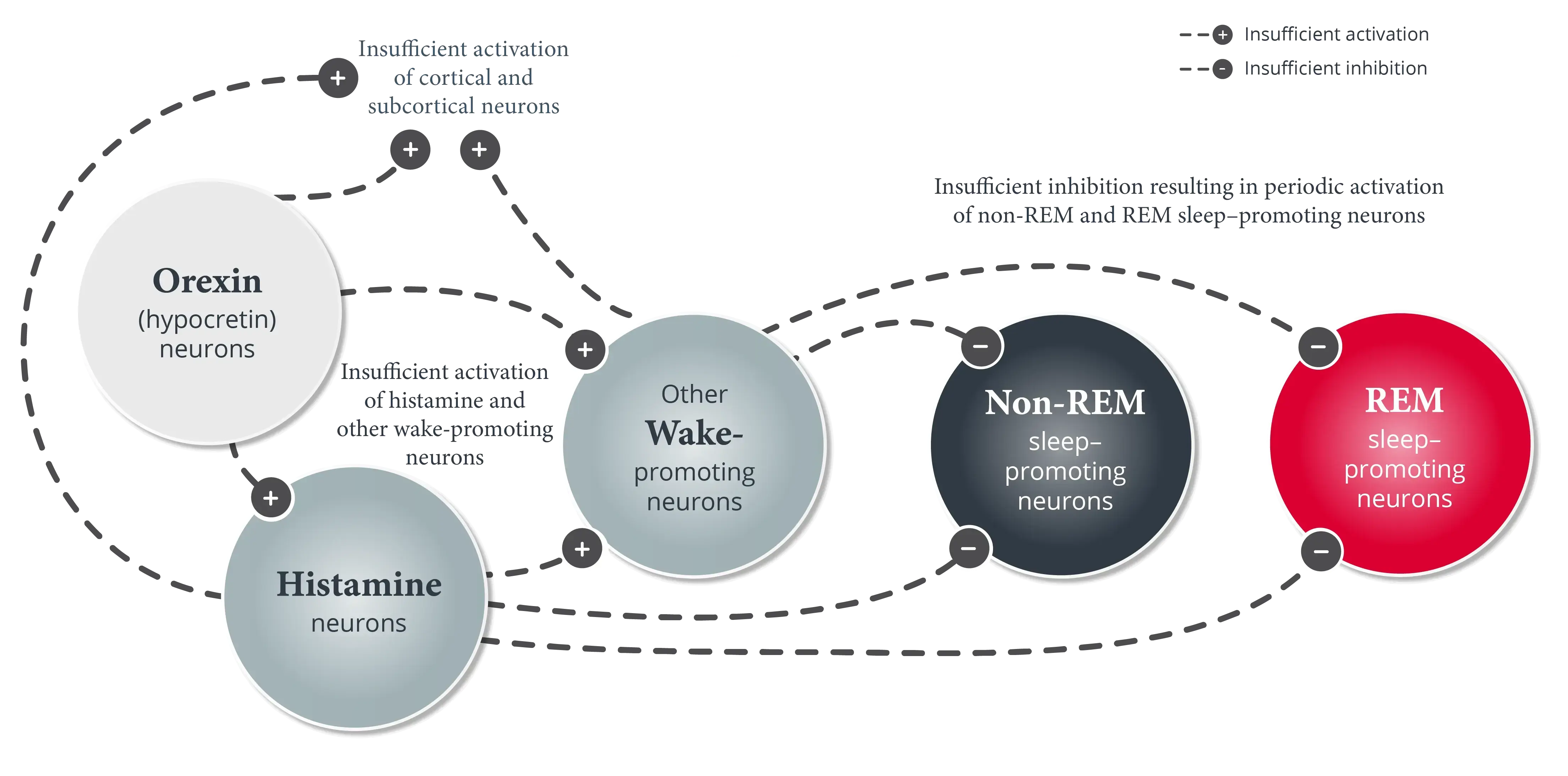
Learn more about the neuronal processes involved in the sleep-wake state instability resulting from orexin (hyporectin) loss in narcolepsy.3,4


Hear Matthew Davis, MD, and Monique Mulvany, NP, discuss narcolepsy and how comorbidities can introduce complexity when diagnosing this disorder.


Hear Monique Mulvany, NP, discuss the role of orexin (hypocretin) in relation to sleep and wakefulness.


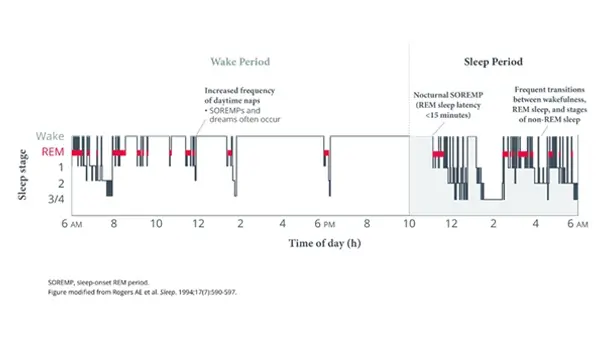
Listen as Monique Mulvany, NP, compares a normal hypnogram to a hypnogram of a patient with narcolepsy.


Hear Matthew Davis, MD, present an overview of diagnostic criteria for type 1 and type 2 narcolepsy.


Listen as Matthew Davis, MD, discusses the clinical assessment of narcolepsy symptoms in both adult and pediatric patient populations.
References
- España RA, Scammell TE. Sleep neurobiology from a clinical perspective. Sleep. 2011;34(7):845-858.
- Haas HL, Sergeeva OA, Selbach O. Histamine in the nervous system. Physiol Rev. 2008;88(3):1183-1241.
- American Academy of Sleep Medicine. International Classification of Sleep Disorders. 3rd ed, text revision. American Academy of Sleep Medicine; 2023.
- Scammell TE. Narcolepsy. N Engl J Med. 2015;373(27):2654-2662.
Publications
Stay up to date on scientific research by viewing recent publications about sleep, wakefulness, and narcolepsy.
Presentations
Use these slide decks for your own reference or to share information with colleagues.